About Floral Arrival
Floral Arrival is a contemporary flower delivery concept built around thoughtful design, fresh flowers and simple gifting. Our aim is to make choosing and sending flowers feel clear, personal and enjoyable.
Our approach
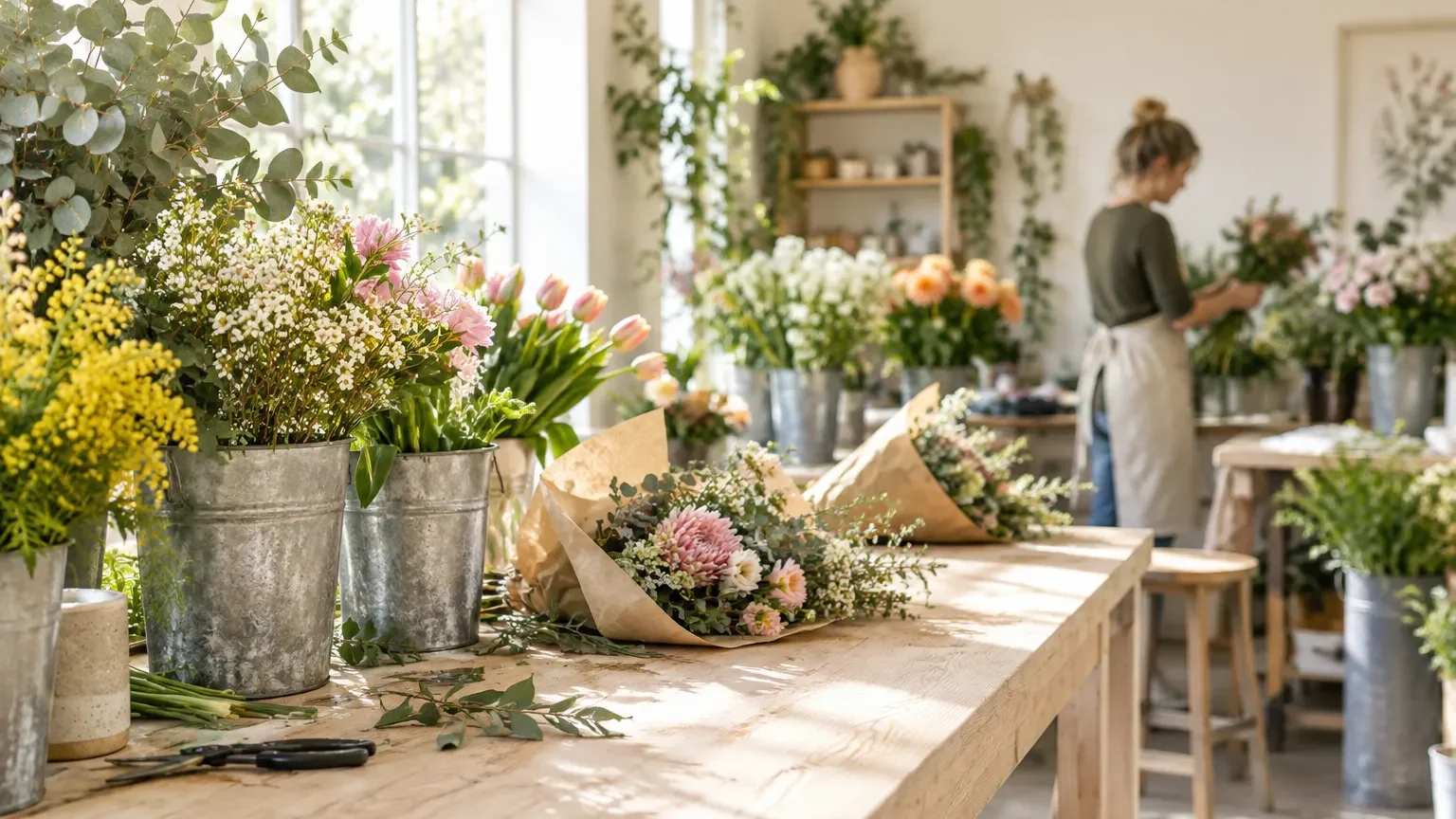
Floral Arrival started in 2018 with a single bench in a shared workshop in Melbourne's inner north. It came out of six years of landscape gardening and one stubborn idea: sending flowers should not be complicated, and what arrives at the door should look like what you thought you were sending.
The first hand-tied range followed in 2019 — Petite, Classic and Grand — wrapped in kraft paper and tied with a single cotton ribbon instead of sealed into a plastic sleeve. Those three size names are still the ones on the tag. What changes inside them is the stem count, which follows the seasonal mix rather than a fixed recipe.
In 2021 the studio moved to a larger space nearby with a cool room, so stems could be held at a steadier temperature between the market run and the wrapping bench. A year later someone came on part-time for weekday orders and care-card writing, and every delivery began leaving with a shared checklist worked through before it went out.
From 2024, stems are ordered on a wholesale market run after each order is confirmed, rather than bought against a set list of varieties. That is why the flower library carries a note about seasonal availability beside each category: roses, tulips, native stems, foliage, lilies, gerberas and whatever else is good that week.
02
Wrapped at the bench, not sleeved
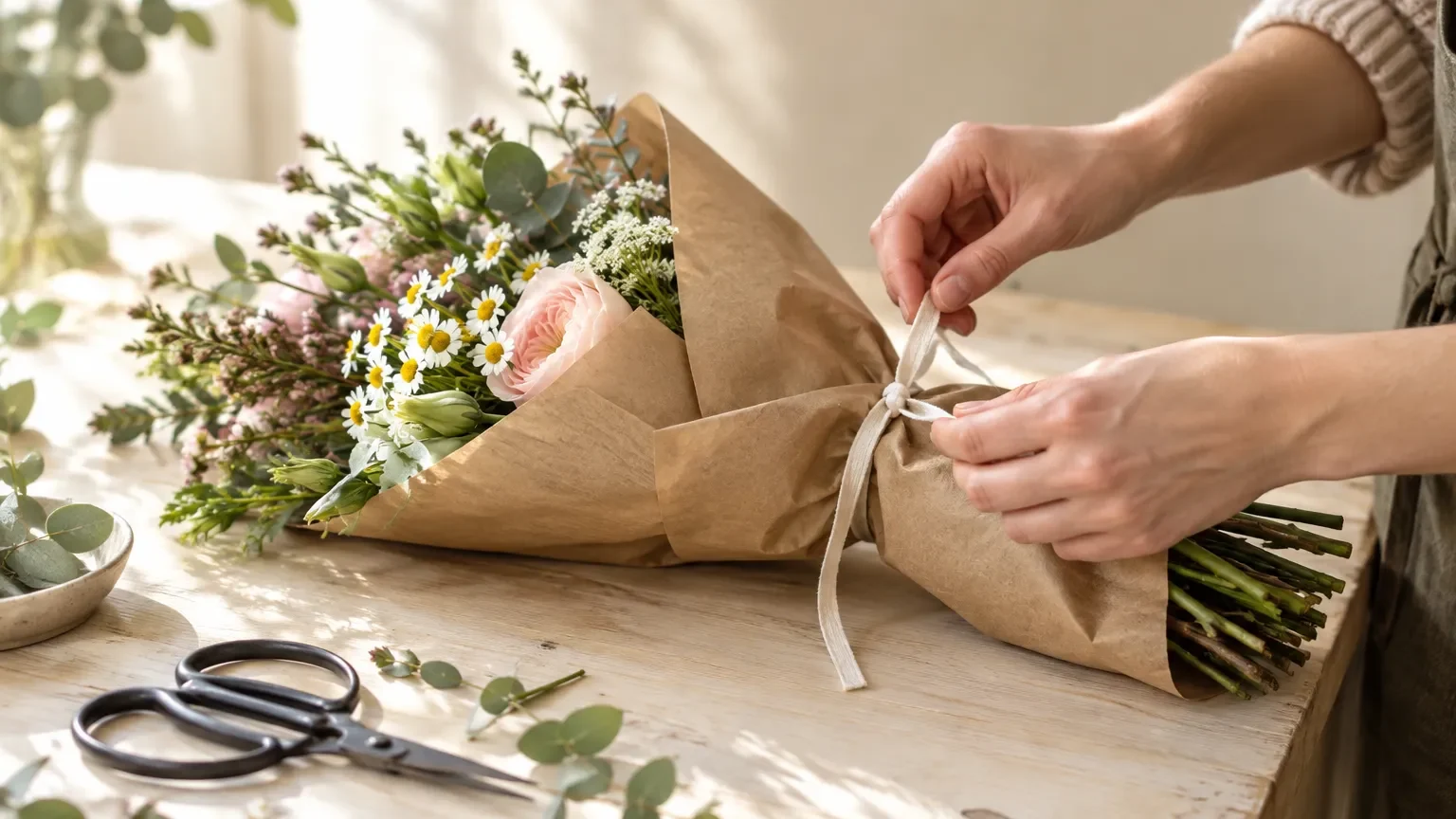
Bouquets are built in the hand around a spiral stem structure, so they sit comfortably in a vase without floral foam. Each is wrapped in kraft paper and tied with a single cotton ribbon; colour runs from soft pastels and crisp whites through warm earth tones to bold mixed colour.
What happens before the paper goes on
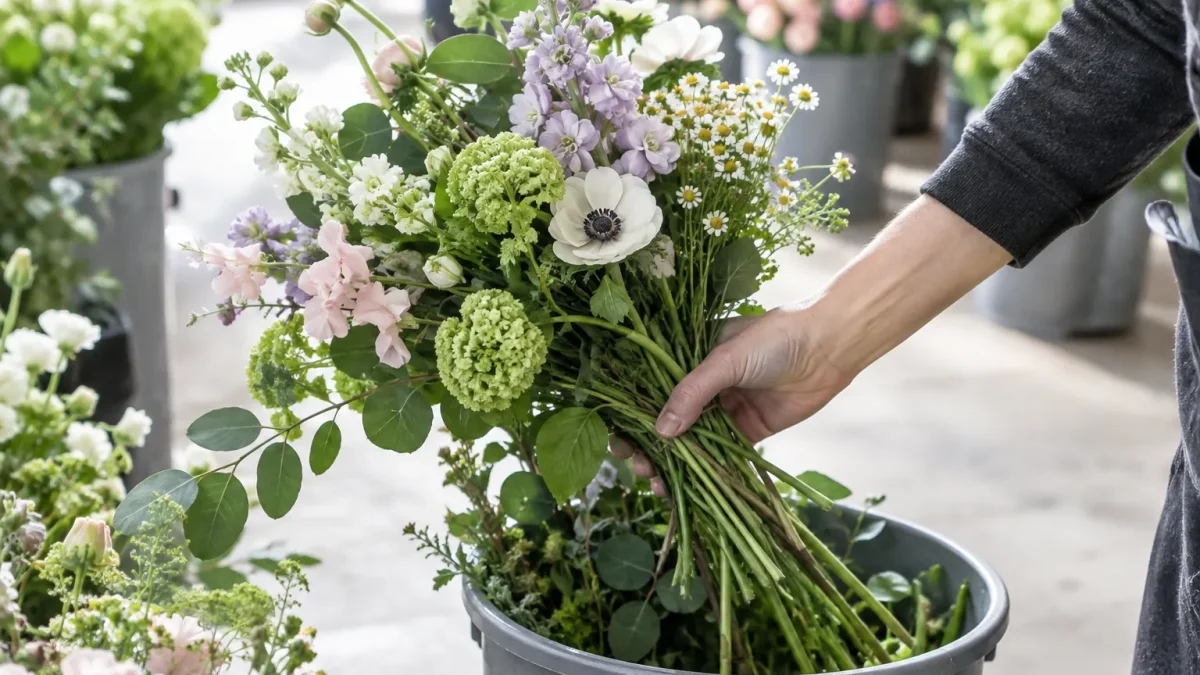
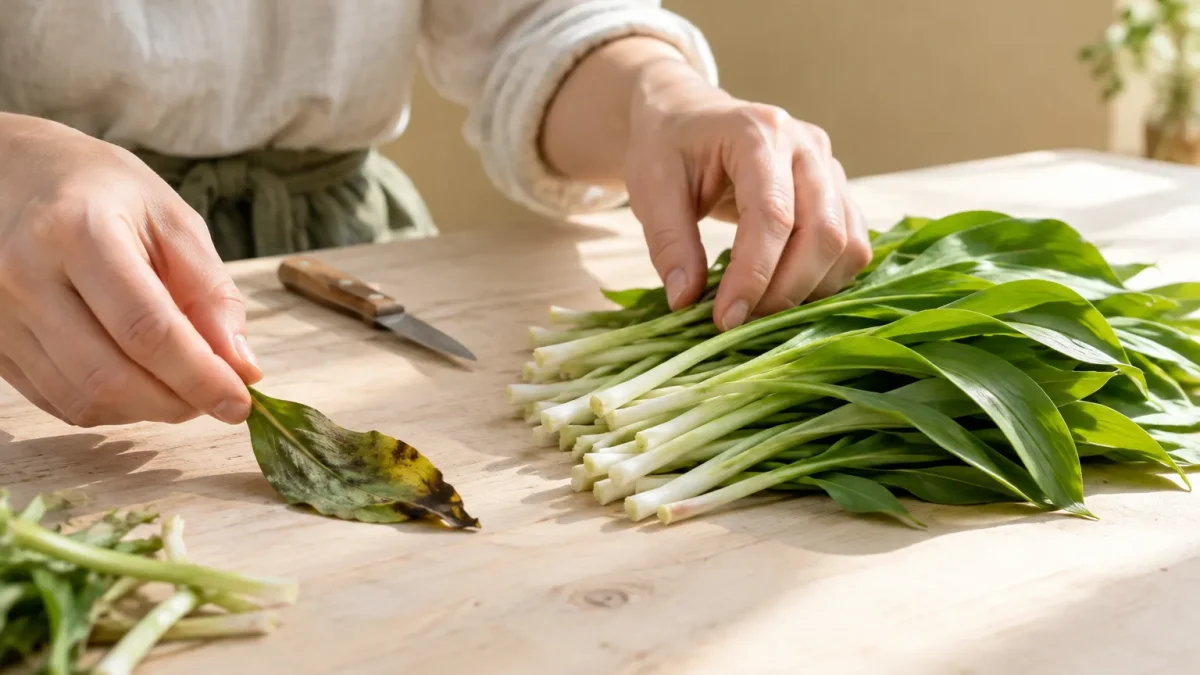
Nothing is made ahead. The bench work starts once an order is confirmed, and the owner checks the stems at the wholesale market before packing, removing any damaged ones. The bunch reflects that week's market rather than a standing list.
-
Market
Stems chosen on the wholesale run
-
Sort
Damaged stems removed before wrapping
-
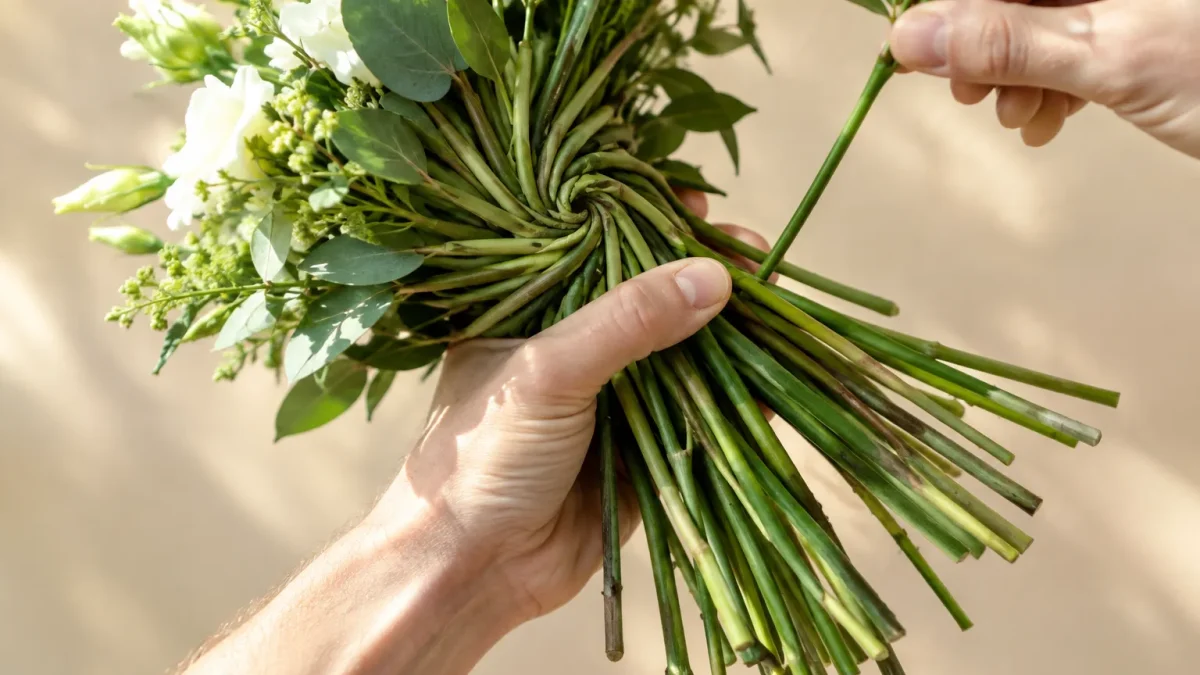
Spiral
Held in the hand, stem by stem
-
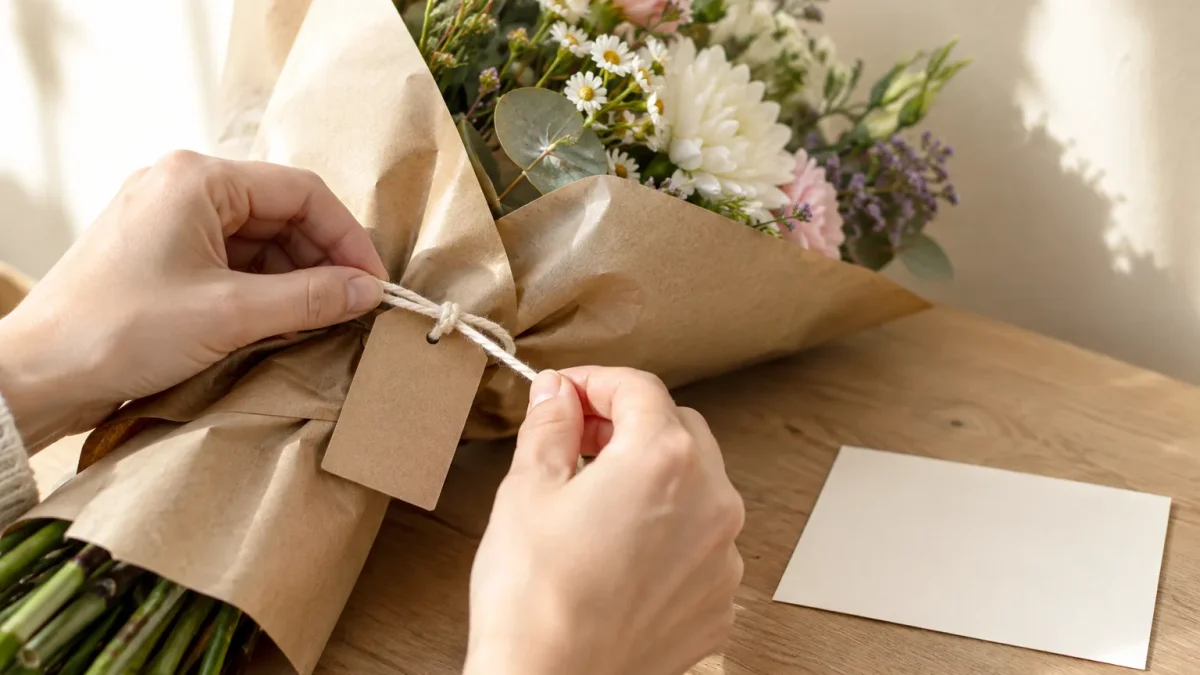
Tag
Named, tied and given a care card
How your flowers reach the door
-
01
Start with the recipient's suburb
The suburb is the first thing we need, because it decides which delivery dates are possible. The enquiry form asks for arrangement style, recipient suburb, preferred delivery date and message; the reply lists the styles and sizes that suit.
-
02
We confirm an available date
You choose from a calendar of available dates after the arrangement and size are selected. The date is agreed before anything is cut or wrapped, and no exact arrival time is promised.
-
03
The bouquet is made and wrapped
Stems are checked over, damaged ones set aside, and the arrangement is built by hand in kraft paper with cotton ribbon. The printed care card suggests trimming 2 cm from each stem and changing the water every second day.
-
04
It travels on the agreed day
Your flowers leave the studio on the date you choose from the calendar of available dates. If you would rather collect, say so in your enquiry and we will work around that instead.
-
05
The care card takes over
Whoever receives the flowers has the trimming and water instructions in their hand, so the first vase change is straightforward for them.
The first ten minutes matter most
A few small things keep a hand-tied bouquet looking like itself for longer.
-
Trim 2 cm from each stem before the flowers go into a vase
-
Change the water every second day
-
Strip any leaves that would sit below the waterline
-
Keep the vase out of direct sun and away from heaters and draughts
-
Keep the printed care card — it travels with every delivery
-
Use a clean vase, tall enough that the spiral sits without being crushed